
Big Feelings, Small Bodies: Helping Your Child Cope With Anger, Anxiety, and Sadness

When your child experiences big emotions, remember their brain won’t fully mature until their mid-twenties, making emotional regulation incredibly challenging. Their amygdala acts like an overactive alarm system, triggering intense fight-or-flight responses to seemingly minor situations. You can help by first regulating your own emotions, then validating their feelings without immediately trying to fix them. […]
Why Play Is a Child’s First Language and How It Heals
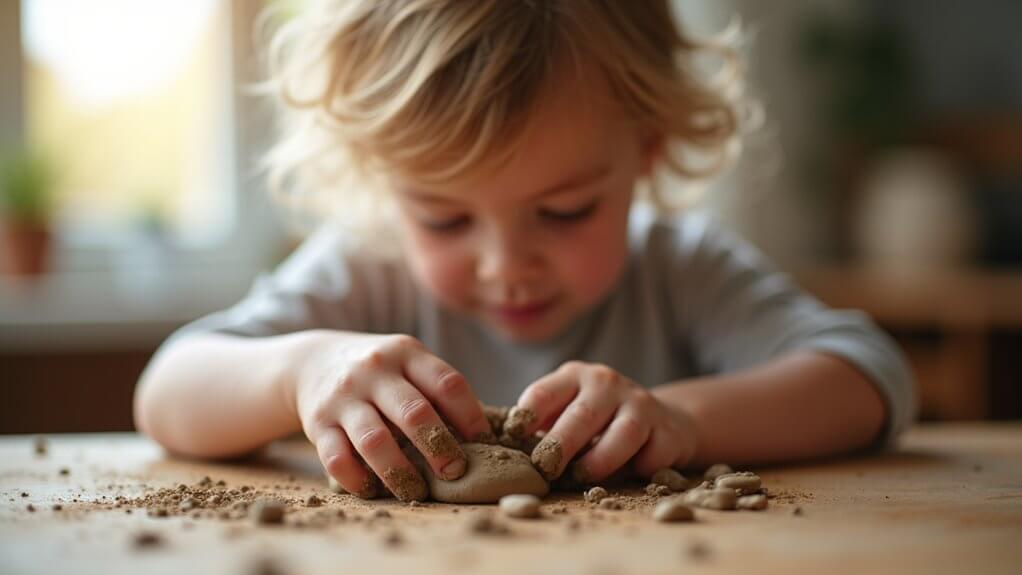
Play becomes your child’s first language because their developing minds naturally express complex emotions through concrete actions rather than abstract words. When they’re processing fear, confusion, or trauma, toys and imaginative scenarios serve as natural translators for feelings they can’t yet verbalize — a concept supported by recent play therapy research. Through child centered play […]